
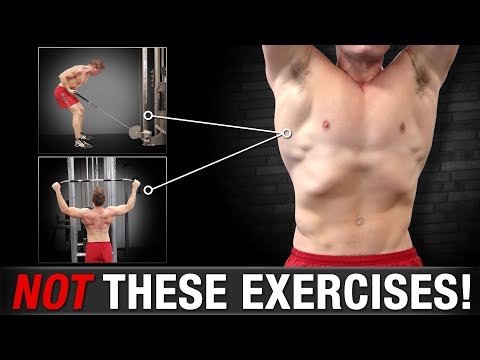
Only training your back can lead to muscle imbalances and increase the risk of injuries. Neglecting other muscle groups can also result in reduced overall strength, power, and endurance.
It is important to exercise all muscles in the body to maintain balance and maximize fitness results.
The Importance Of Balanced Muscle Development
Training only the back muscles can lead to muscle imbalance and increase the risk of injuries. It is important to exercise all muscles in the body to ensure balanced muscle development and overall strength and stability. Neglecting certain muscle groups like the chest can result in a lack of symmetry and hinder overall fitness progress.
When it comes to training your back, it’s crucial to consider the importance of balanced muscle development. Focusing solely on training your back can lead to muscle imbalances, which can have negative consequences for your overall fitness and wellbeing.
Avoiding Muscle Imbalances In Training:
- Incorporate exercises that target different muscle groups: It’s important to include exercises that work not only your back but also other muscle groups such as your chest, arms, and legs. This helps ensure that all muscle groups are being strengthened and developed equally.
- Maintain proper posture during exercises: Proper form and technique are essential to prevent muscle imbalances. Ensure that you maintain good posture and engage the correct muscles during exercises. This will help distribute the workload evenly across all muscle groups.
- Include a variety of exercises in your routine: Performing a wide range of exercises targeting different muscle groups helps prevent overemphasis on specific muscles. Incorporate exercises that target both push and pull movements to ensure a balanced development.
Understanding the risk of injury from muscle imbalance:
- Increased risk of injury: Muscle imbalances can lead to poor movement patterns and compensations, increasing the risk of injuries. Overdeveloped back muscles paired with underdeveloped opposing muscles like the chest can create imbalances that can strain joints and lead to chronic pain.
- Limited functional strength: Overdeveloped back muscles without a balanced development in other muscle groups can result in limited functional strength. This can impact everyday tasks and hinder overall athletic performance.
- Aesthetics and symmetry: Developing a well-rounded physique with balanced muscle development not only improves overall strength but also enhances aesthetics. Balanced muscle development creates a harmonious and symmetrical appearance.
By focusing solely on training your back, you may be neglecting other muscle groups, which can lead to muscle imbalances. To avoid these imbalances, incorporate exercises that target different muscle groups and maintain proper form. By striving for balanced muscle development, you’ll reduce the risk of injury, improve functional strength, and enhance your overall physique.
So, mix up your workouts and ensure a well-rounded approach to training your entire body.
The Role Of The Back Muscles
Training only the back muscles can lead to muscle imbalance in the body, increasing the risk of injury in the long run. It is important to exercise all muscle groups to maintain overall strength and prevent any potential imbalances or weaknesses.
The Back Muscles And Their Functions:
- The back muscles, also known as the posterior chain, consist of several key muscle groups, including the latissimus dorsi, rhomboids, trapezius, and erector spinae.
- These muscles play a crucial role in supporting the spine, maintaining good posture, and facilitating various movements of the upper body.
- The back muscles are responsible for pulling movements, such as rowing, pulling, and lifting objects towards the body.
- They also assist in stabilizing the shoulders and scapulae, enabling proper shoulder joint function and minimizing the risk of injuries.
Why Back Muscles Tend To Be Stronger Than Chest Muscles:
- The back muscles tend to be stronger than chest muscles due to the nature and frequency of daily activities that rely on back muscle engagement.
- Some reasons why back muscles are typically stronger include:
- Everyday activities: Back muscles are involved in activities like lifting heavy objects, bending over, and reaching up. These activities naturally strengthen the back muscles over time.
- Larger muscle groups: The back consists of bigger muscles compared to the chest, providing greater potential for strength development.
- Muscle imbalances: Many individuals tend to focus more on chest muscles during workouts, leading to overdevelopment of the chest while neglecting back muscles. This can create muscle imbalances where the chest is weaker in comparison.
- Core muscle engagement: Back muscles work in conjunction with core muscles to stabilize and support the spine during movements. This constant engagement helps build strength in the back muscles.
- Multiple functions: Back muscles are involved in various movements, such as pulling, extending, and rotating the spine, which require significant strength to execute properly.
The back muscles play a crucial role in supporting the spine, maintaining good posture, and facilitating various upper body movements. Due to the nature of daily activities and the involvement of larger muscle groups, the back muscles tend to be stronger than the chest muscles.
It is essential to give equal attention to both the back and chest muscles to ensure muscle balance and overall strength.
Potential Consequences Of Neglecting Other Muscle Groups
Neglecting other muscle groups while only training the back can lead to muscle imbalances and an increased risk of injury. It is important to exercise all muscles in the body to maintain overall strength and prevent any potential consequences.
Muscle Imbalances And Their Effects On The Body:
- When you only train your back and neglect other muscle groups, it can lead to muscle imbalances in the body. Here are the potential consequences of these imbalances:
- Postural issues: Neglecting other muscle groups can lead to poor posture, as the muscles that support proper alignment may weaken. This can result in slouching or rounded shoulders.
- Increased risk of injury: Imbalances in muscle strength and stability can make you more susceptible to injuries. For example, weak chest muscles combined with strong back muscles can lead to shoulder instability or even rotator cuff injuries.
- Limited range of motion: Neglecting other muscle groups can restrict your overall range of motion. This can affect your performance in physical activities and make simple tasks more challenging.
- Compensatory movements: When certain muscle groups are weak, other muscles may overcompensate and take on more load. This can lead to overuse injuries and muscle strains.
- Aesthetics: Focusing solely on your back can result in a disproportionate physique. It’s important to maintain a balanced physique for overall aesthetics and symmetry.
The Impact Of Only Training The Back:
- While back training is crucial for overall strength and stability, solely focusing on this muscle group can have several implications:
- Neglected muscle groups: Other muscle groups, such as chest, legs, arms, and core, may not receive adequate attention, leading to muscle imbalances and potential weaknesses in those areas.
- Incomplete strength development: By neglecting other muscle groups, you limit your overall strength potential. Your body functions as a complete system, and neglecting certain areas can hinder your overall strength and performance.
- Plateau in progress: Constantly training only your back without incorporating other muscle groups can lead to a plateau in progress. Your body adapts to the same stimuli, and to continue progressing, it’s essential to challenge different muscle groups.
- Limited functional fitness: Training only the back may improve your performance in specific back-related exercises, but neglecting other areas can limit your overall functional fitness. Participating in activities that require a balanced strength and conditioning level may become more challenging.
Remember, a well-rounded training program that targets all major muscle groups is essential for overall fitness, strength, and injury prevention. Don’t neglect the other muscle groups in your pursuit of a strong back.
Psychological And Aesthetic Effects
Training only your back can lead to muscle imbalances and increase the risk of injury. It is important to exercise all muscle groups to maintain overall strength and prevent imbalances.
Neglecting to train other muscle groups and focusing solely on the back can have both psychological and aesthetic effects. Here’s a breakdown of how this can impact your appearance and overall physique:
How Neglecting Other Muscle Groups Can Affect Appearance
- Disproportionate Physique: By exclusively training your back and neglecting other muscle groups, you run the risk of developing a disproportionate physique. Your back muscles may become overly developed in comparison to other areas of your body, resulting in an unbalanced look.
- Lack of Symmetry: Building a well-rounded physique requires targeting different muscle groups. Neglecting other areas can lead to an imbalance in muscle development and aesthetic symmetry. Having a well-proportioned body with balanced muscle development is often associated with a visually appealing physique.
- Limited Athletic Performance: Focusing solely on training your back can limit your overall athletic performance. Other muscle groups such as chest, legs, and core contribute significantly to functional movements and overall strength. Neglecting these areas can hinder your physical capabilities and limit your potential in various activities.
- Reduced Overall Strength: While training the back is essential for a strong upper body, neglecting other muscle groups can lead to an overall decrease in strength. A balanced training routine that includes exercises for different muscle groups allows for comprehensive strength development.
- Potential Postural Issues: Neglecting other muscle groups, such as the chest and core, can lead to postural imbalances. Inadequate muscle development in these areas can contribute to poor posture, which can lead to discomfort and potential long-term issues.
- Diminished Aesthetics: An imbalanced physique can impact your aesthetic appeal. A visually appealing body is often defined by a well-developed and proportionate muscle structure. Neglecting to train other muscle groups can result in an unbalanced and asymmetrical physique, which may not be considered aesthetically pleasing.
- Impact on Self-Confidence: Having a well-rounded physique can positively impact self-confidence. Neglecting other muscle groups and focusing only on the back may lead to dissatisfaction with your overall appearance, potentially affecting your self-esteem and body image.
It is important to emphasize that incorporating a balanced workout routine targeting different muscle groups is essential for overall fitness, aesthetics, and optimal performance.
The Role Of Leg Training
Neglecting leg training can lead to muscle imbalance and decreased overall fitness. While focusing solely on training the back may result in a strong back, it is important to exercise all muscle groups to prevent injuries and maintain a well-rounded physique.
The Importance Of Training Legs For Overall Strength:
- Leg training is crucial for developing overall strength and muscle balance in the body.
- The legs contain some of the largest muscles in the body, including the quadriceps, hamstrings, and glutes.
- Training the legs helps to improve lower body strength, increase power output, and enhance athletic performance.
- It also contributes to better posture and stability, as strong leg muscles support the spine and pelvis.
- Neglecting leg training can lead to muscle imbalances, which may result in decreased performance and increased risk of injury.
The Impact Of Neglecting Leg Workouts:
- Neglecting leg workouts can have various negative effects on the body.
- Reduced leg strength can limit overall performance in activities that require lower body power, such as running, jumping, and squatting.
- Muscle imbalances can develop, with the upper body becoming disproportionately stronger than the lower body.
- Lack of leg training can lead to decreased stability and balance, increasing the risk of falls and other injuries.
- The body may appear less proportionate, with underdeveloped leg muscles and potential weight gain in other areas.
Training legs is an integral part of overall strength development. Neglecting leg workouts can lead to muscle imbalances, decreased performance, and increased risk of injury. It is essential to include leg exercises in your training routine to maintain a balanced and strong physique.
So don’t skip leg day!

Credit: www.pinterest.com
Avoiding Plateaus And Maximizing Athletic Performance
Maximizing athletic performance requires more than just training your back. Neglecting other muscle groups can lead to muscle imbalances, increased risk of injury, and limited progress. It’s important to focus on a well-rounded training program to avoid plateaus and achieve optimal results.
The Relationship Between Balanced Training And Athletic Results
When it comes to maximizing athletic performance, it’s crucial to understand the relationship between balanced training and achieving optimal results. Neglecting other muscle groups and solely focusing on training your back can lead to plateaus in your progress and hinder your overall performance.
Let’s explore why a well-rounded training routine is essential for reaching your athletic goals:
- Muscular Balance: Training all muscle groups ensures that you maintain a proper balance between them. Neglecting certain muscles can lead to muscle imbalances, which can increase the risk of injuries and hinder effective movement patterns.
- Functional Strength: A balanced training program allows you to build functional strength that translates into improved athletic performance. Each muscle group plays a significant role in supporting your body during various movements, from running and jumping to twisting and turning. Neglecting certain muscle groups can limit your overall strength and negatively impact your performance.
- Preventing Plateaus: By incorporating exercises that target different muscle groups, you can prevent plateaus in your progress. When you continuously train only your back, your body adapts to those specific movements, and eventually, your progress may stagnate. Implementing varied exercises for different muscle groups challenges your body, promotes continuous growth, and helps you avoid hitting a plateau.
- Enhanced Performance: When all muscle groups are adequately trained, your overall athletic performance improves. Each muscle group contributes to your stability, power, agility, and endurance, which are vital for excelling in any sport or physical activity. A well-rounded training routine allows you to perform at your best and reach your full potential.
- Injury Prevention: Neglecting certain muscle groups can result in muscle imbalances and weaknesses, making you more susceptible to injuries. Regularly training all muscle groups helps to strengthen the entire kinetic chain, promoting better movement patterns and reducing the risk of injury.
- Balanced Aesthetics: While aesthetic goals may not be the primary objective for athletes, a balanced training program also ensures a well-proportioned physique. Training only your back can lead to imbalances in your appearance, affecting the overall symmetry and aesthetics of your body.
Neglecting other muscle groups and solely focusing on training your back can hinder your athletic performance and lead to plateaus in your progress. By incorporating a balanced training routine that targets all muscle groups, you can enhance your athletic results, prevent plateaus, and reduce the risk of injuries.
Strive for a well-rounded program to optimize your performance and reach your athletic goals.
Best Practices For Balanced Training
Neglecting to train your back exclusively can lead to muscle imbalances and increase the risk of injury. It is important to exercise all muscle groups to maintain overall strength and prevent any potential issues.
:
Incorporating exercises for all muscle groups:
- Include compound exercises: Compound exercises like squats, deadlifts, and bench presses engage multiple muscle groups at once, ensuring a well-rounded workout.
- Target major muscle groups: Focus on exercises that target major muscle groups such as legs, chest, back, shoulders, and arms.
- Don’t neglect smaller muscle groups: Incorporate exercises that target smaller muscle groups like biceps, triceps, and calves to maintain balance and symmetry in your physique.
- Vary your exercise selection: Choose a variety of exercises for each muscle group to prevent plateauing and to keep your workouts fun and challenging.
- Train opposing muscle groups: Balance your training by working opposing muscle groups together. For example, pair chest exercises with back exercises and biceps with triceps to promote muscle balance and prevent imbalances.
Designing a well-rounded workout routine:
- Prioritize compound movements: Start your workouts with compound exercises to maximize muscle engagement and overall strength.
- Incorporate isolation exercises: Include isolation exercises to target specific muscle groups and address any weaknesses or imbalances.
- Focus on both strength and endurance: Incorporate both strength training and cardio exercises to improve overall fitness and prevent muscle imbalances.
- Allow for adequate rest and recovery: Make sure to schedule rest days in your training routine to allow your muscles to recover and grow.
- Seek guidance from a professional: Consult with a qualified fitness professional to design a personalized workout program that addresses your specific goals and needs.
Remember, a balanced training routine that includes exercises for all muscle groups is essential for overall strength, muscle development, and injury prevention. By incorporating a variety of exercises and focusing on proper form and technique, you can achieve a well-rounded physique and optimize your overall fitness.
Frequently Asked Questions On What Happens If You Only Train Back
What Happens If You Don’T Train Your Chest?
If you don’t train your chest, you may develop muscle imbalances and miss out on strength and size gains.
What Happens If You Train Non Stop?
Training non-stop can lead to reduced strength, power, and endurance. Your body needs time to repair and recover, and training too hard and too often can cause muscle fibers to remain torn and athletic results to plateau. It is important to find a balance between training and rest to avoid injury and maximize progress.
What Happens If You Don’T Workout Your Legs?
Neglecting leg workouts can cause muscle cells to shrink and fat cells to enlarge, resulting in a less fit and muscular appearance.
Is Back More Important Than Chest?
Back and chest muscles are both important, but back muscles tend to be stronger due to everyday activities.
What Happens If You Only Train Your Back And Neglect Other Muscle Groups?
Training only your back and neglecting other muscle groups can lead to muscle imbalances, potential injuries, and limited progress in overall strength and physique development.
Conclusion
Training only the back can lead to muscle imbalance and an increased risk of injury. It is important to exercise all muscles in the body to maintain overall strength and stability. While the back muscles are important for everyday activities, neglecting other muscle groups can cause the muscle cells to shrink and the fat cells to enlarge, resulting in a less fit and muscular appearance.
Additionally, training only the back may lead to a plateau in athletic results, as the repair process may not be able to keep up with the intensity of the workouts. Therefore, it is recommended to have a well-rounded exercise routine that includes all major muscle groups for optimal health and fitness.
Remember, balance is key when it comes to training your body.