
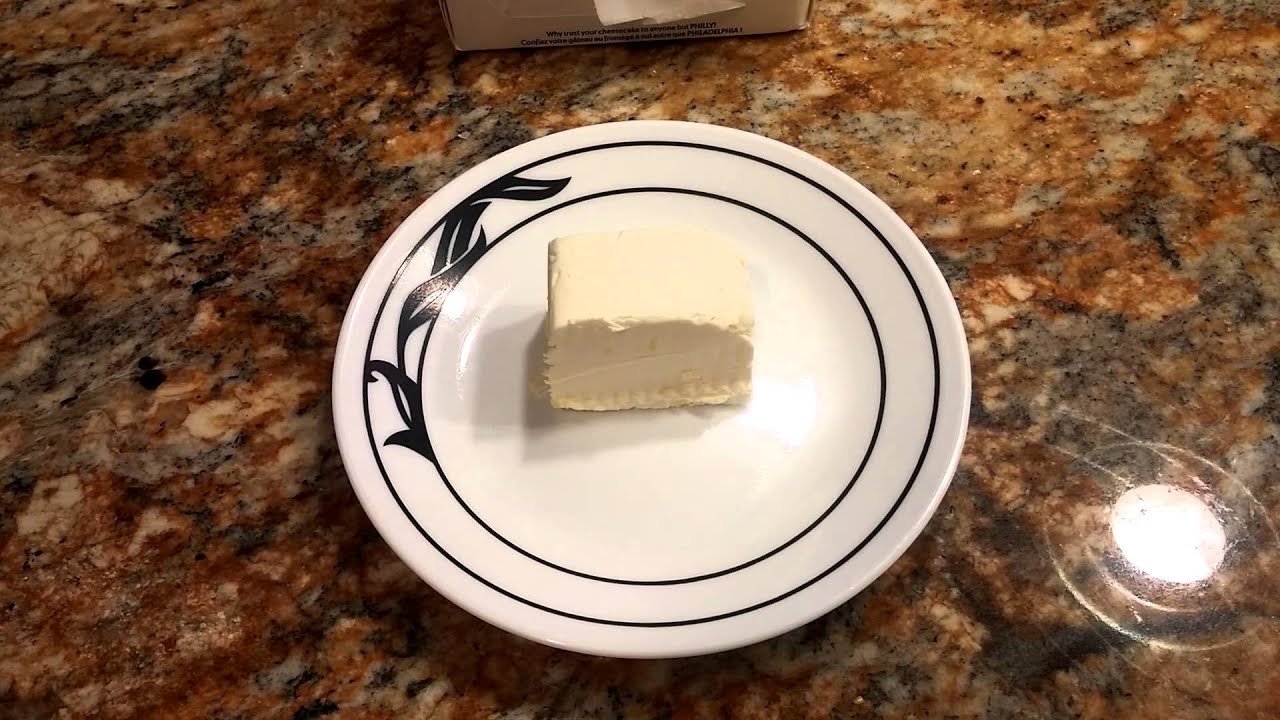
Eating expired cream cheese can lead to food poisoning symptoms such as nausea, vomiting, diarrhea, and abdominal pain. It’s not recommended to consume cream cheese past its expiration date as it can pose health risks.
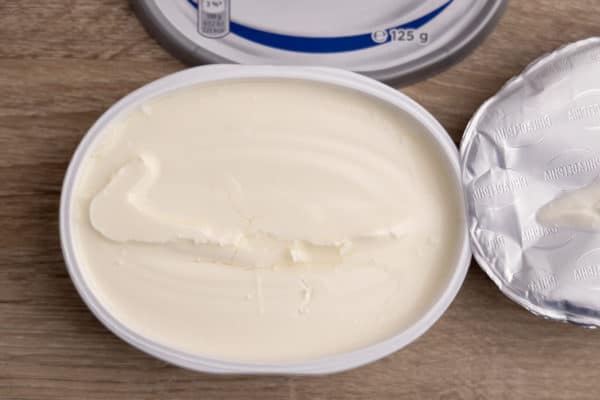
Credit: www.canitgobad.net
Understanding The Shelf Life Of Cream Cheese
Cream cheese is a perishable dairy product, and eating expired cream cheese can put you at risk of getting sick. Symptoms of consuming spoiled cream cheese may include nausea, vomiting, diarrhea, abdominal pain, headache, fever, chills, and fatigue. It’s important to be cautious and not consume expired cream cheese.
Cream cheese is a versatile and popular dairy product that is used in various recipes, from creamy cheesecakes to savory spreads. However, like all perishable foods, cream cheese has a limited shelf life. Understanding how long cream cheese can be safely consumed and what factors can affect its freshness is crucial to avoid any potential health risks.
In this section, we will discuss the factors that affect the shelf life of cream cheese and how you can properly store it to extend its freshness.
Factors Affecting The Shelf Life Of Cream Cheese
Cream cheese, like any other perishable food, can spoil over time due to various factors. Here are the important factors that can affect the shelf life of cream cheese:
- Temperature: Cream cheese is a dairy product that should be refrigerated at all times. When cream cheese is exposed to warm temperatures, it can promote the growth of bacteria, causing it to spoil more quickly.
- Packaging: The way cream cheese is packaged can also impact its shelf life. Cream cheese sold in tubs with airtight seals tend to have a longer shelf life compared to cream cheese sold in open or non-resealable packaging.
- Freshness at the Time of Purchase: The freshness of cream cheese when you buy it also plays a crucial role in its shelf life. Always check the expiration date before purchasing and ensure that the cream cheese looks fresh and free from any discoloration or mold.
How To Properly Store Cream Cheese To Extend Its Freshness
To ensure that your cream cheese stays fresh for as long as possible, you should follow proper storage practices. Here are some tips to help you extend the shelf life of your cream cheese:
- Refrigerate Immediately: As soon as you bring your cream cheese home, it is important to refrigerate it promptly. Place it in the coldest part of your refrigerator, such as the lower shelves or the dairy compartment.
- Keep it Sealed: After opening the cream cheese, make sure to reseal the packaging tightly to prevent air exposure and contamination. If the original packaging is not resealable, transfer the cream cheese to an airtight container or wrap it tightly with plastic wrap.
- Avoid Cross-Contamination: To prevent the spread of bacteria, make sure to use clean utensils when scooping or spreading cream cheese. Avoid using your fingers or utensils that have come into contact with other foods.
- Check for Signs of Spoilage: Regularly inspect your cream cheese for any signs of spoilage, such as mold growth, an off smell, or an unusual texture. If any of these signs are present, it is best to discard the cream cheese immediately.
By understanding the factors that affect the shelf life of cream cheese and following proper storage practices, you can maximize its freshness and enjoy it safely. Remember to always use your judgment and trust your senses when determining if cream cheese is still good to eat.
The Dangers Of Consuming Expired Cream Cheese
Consuming expired cream cheese can pose various health risks, including symptoms like nausea, vomiting, diarrhea, abdominal pain, and fatigue, according to the FDA. It’s important to avoid eating spoiled cream cheese to prevent these unpleasant symptoms.
Eating expired cream cheese can pose potential risks and health consequences. When cream cheese goes bad, it can harbor harmful bacteria and microorganisms that can cause foodborne illnesses. Here are some important things to consider about the dangers of consuming expired cream cheese:
- Bacterial contamination: As cream cheese sits past its expiration date, it becomes more susceptible to bacterial contamination. Pathogenic bacteria such as Salmonella or Listeria can grow in spoiled cream cheese and cause food poisoning if consumed.
- Toxic mold growth: Expired cream cheese can also develop mold, including potentially harmful molds like black mold. These molds produce mycotoxins, which can cause allergic reactions or even severe food poisoning in some individuals.
- Gastrointestinal issues: Consuming expired cream cheese can lead to various symptoms of gastrointestinal distress, including nausea, vomiting, stomach cramps, and diarrhea. These symptoms typically occur due to the presence of harmful bacteria or toxins in the spoiled cream cheese.
- Weakened immune system: People with weakened immune systems, such as the elderly, young children, or individuals with underlying health conditions, are particularly vulnerable to the dangers of consuming expired cream cheese. Their bodies may struggle to fight off the harmful bacteria or toxins present in spoiled cream cheese, leading to more severe health consequences.
Symptoms Of Illness From Consuming Spoiled Cream Cheese
If you have mistakenly consumed expired cream cheese, it’s essential to be aware of the potential symptoms of illness. These symptoms can vary depending on the type of bacteria or toxins present in the spoiled cream cheese. Here are some common symptoms to watch out for:
- Nausea and vomiting: One of the most common symptoms of foodborne illness from consuming expired cream cheese is nausea accompanied by vomiting. This occurs due to the body’s reaction to the toxins or harmful bacteria present in the spoiled cream cheese.
- Abdominal cramps: Cramping in the stomach can be a sign of gastrointestinal distress caused by consuming expired cream cheese. These cramps may range from mild discomfort to intense pain and can be accompanied by bloating or gas.
- Diarrhea: Another common symptom of food poisoning from spoiled cream cheese is diarrhea. It may be watery or accompanied by blood. Diarrhea is the body’s way of expelling toxins or harmful microorganisms.
- Fever and chills: In some cases, consuming expired cream cheese contaminated with pathogenic bacteria can lead to fever and chills. These symptoms indicate an infection in the body and should be taken seriously.
- Fatigue and weakness: Feeling excessively tired or weak after consuming expired cream cheese can be a result of your body’s immune response to the toxins or bacteria. It is important to rest and hydrate if you experience these symptoms.
If you experience any of these symptoms after consuming expired cream cheese, it is important to seek medical attention. A healthcare professional can provide a proper diagnosis and recommend appropriate treatment. Remember, prevention is always better than cure, so it’s best to avoid consuming expired cream cheese altogether.
Tips To Determine If Cream Cheese Is Safe To Eat
Expired cream cheese should not be consumed as it can lead to symptoms such as nausea, vomiting, diarrhea, abdominal pain, and fatigue, according to the FDA. It is recommended to check for any signs of spoilage and discard any cream cheese past its expiration date to avoid getting sick.
Signs Of Spoilage To Look Out For:
- Mold: Check for any signs of mold growth on the cream cheese. Mold can appear as fuzzy or greenish patches on the surface and can indicate spoilage.
- Off-smell: If the cream cheese emits a sour or unpleasant odor, it may be an indication that it is no longer safe to consume.
- Change in texture: Pay attention to any significant changes in the texture of the cream cheese. If it becomes watery, lumpy, or grainy, it may have gone bad.
Ways To Assess The Quality And Safety Of Cream Cheese:
- Examine the expiration date: Always check the expiration date on the cream cheese packaging. Consume it before the indicated date for the best quality and safety.
- Visual inspection: Inspect the cream cheese visually. It should have a smooth, creamy consistency and a uniform color throughout.
- Trust your senses: Before consuming cream cheese, give it a sniff test. It should have a fresh and mildly tangy aroma. If it smells off or rancid, it’s better to discard it.
- Taste a small amount: If the cream cheese passes the visual and smell tests, you can take a tiny taste to ensure it still tastes fresh and hasn’t developed any strange flavors.
- Store it properly: Properly storing cream cheese can help extend its shelf life. Keep it refrigerated at a temperature below 40°F (4°C) and tightly sealed to prevent spoilage.
Remember, it’s always better to err on the side of caution when dealing with expired cream cheese. If you are unsure about its safety, it’s best to discard it to avoid any potential risks to your health.
Frequently Asked Questions Of What Happens If You Eat Expired Cream Cheese
Is It Ok To Eat Cream Cheese After Expiration Date?
Eating cream cheese after the expiration date may cause food poisoning symptoms like vomiting, stomach cramps, fever, diarrhea, and nausea.
Can Expired Cheese Cause Food Poisoning?
Expired cheese can cause food poisoning due to harmful mold, causing allergic reactions or severe illness.
How Long Does It Take For Cream Cheese To Go Bad In Fridge?
Cream cheese can go bad in the fridge after about 10 days.
How Long Is Cheese Good For After Expiration Date?
After the expiration date, cheese is generally good for 2-4 weeks, but use your judgment to ensure it’s still safe to eat.
Q1: Can Eating Expired Cream Cheese Make You Sick?
A1: Consuming expired cream cheese can lead to symptoms like nausea, vomiting, diarrhea, abdominal pain, and fatigue.
Conclusion
Consuming expired cream cheese can have serious health consequences. The FDA warns that eating spoiled cream cheese can lead to various symptoms such as nausea, vomiting, diarrhea, abdominal pain, headache, fever, chills, and fatigue. These symptoms can be uncomfortable and potentially dangerous.
While it may be tempting to still use cream cheese that appears fresh, it is not recommended, as it is a perishable dairy product. It is important to pay attention to expiration dates and signs of spoilage, such as changes in smell, texture, or appearance.
If you accidentally consume expired cream cheese and experience any of these symptoms, it is advisable to seek medical attention. Remember that ensuring the safety of the food you consume is crucial for maintaining good health and well-being.